

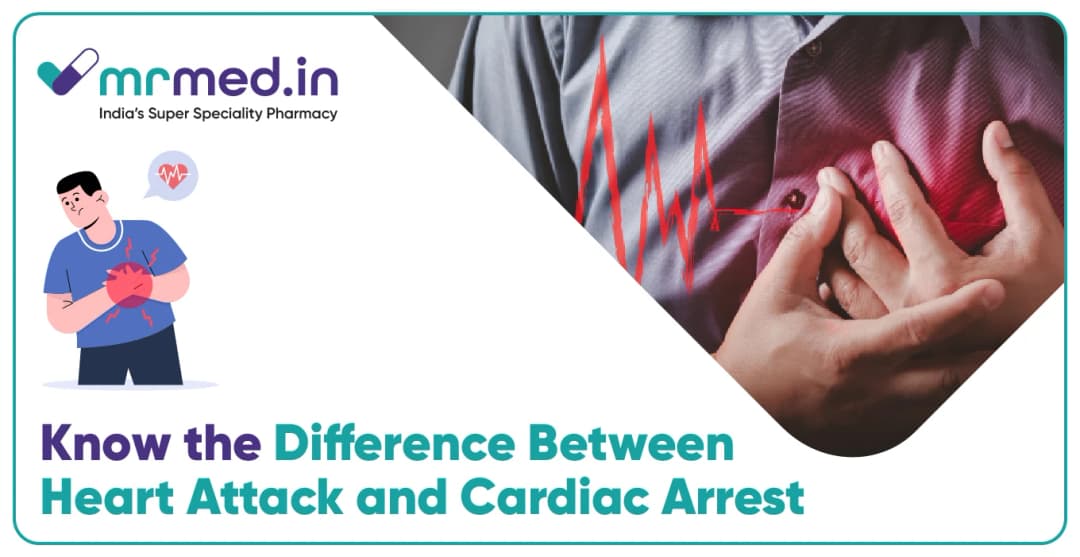
Know the Difference Between Heart Attack and Cardiac Arrest





Last updated on 02 Jan 2026
India witnesses an estimated 500,000 to 700,000 sudden cardiac deaths annually, indicating roughly 5 to 6 lakh deaths each year due to sudden cardiac arrest (SCA). Heart-related emergencies are among the leading causes of sudden deaths worldwide. Two terms often used interchangeably are cardiac arrest and heart attack. Many people mistakenly believe they are the same condition, but in reality, they are very different medical emergencies.
Dr. Deepa Raghunathan, MD, FACC, FASE Cardiologist at UT Physicians Multispecialty – The Heights and Assistant Professor of Cardiology, McGovern Medical School, UTHealth Houston.
In an explanatory article, she clearly outlines the distinctions:
-
Heart Attack (Myocardial Infarction) is a circulatory problem when a blockage cuts off blood flow to part of the heart muscle.
-
Sudden Cardiac Arrest is an electrical issue when the heart suddenly stops beating due to an electrical malfunction.
What Is a Heart Attack?
A heart attack, medically known as a myocardial infarction, happens when the coronary arteries become blocked, preventing blood and oxygen from reaching part of the heart muscle. Without prompt treatment, this lack of oxygen can cause permanent damage or death of the heart tissue.
Common Symptoms of a Heart Attack
-
Chest pain, tightness, or pressure that may spread to the arm, neck, jaw, or back.
-
Shortness of breath.
-
Sudden dizziness or lightheadedness.
-
Cold sweat and fatigue.
-
Nausea, heartburn, or abdominal discomfort.
Important: Symptoms may vary between men and women. For example, women may experience more subtle signs such as fatigue, nausea, or indigestion.
When to Seek Emergency Help
-
Call emergency services immediately if you suspect a heart attack.
-
Chewing an aspirin (only if advised by a healthcare provider) may help reduce blood clotting.
-
If prescribed, take nitroglycerin while waiting for medical assistance.
-
Do not drive yourself unless no other options exist.
Causes of a Heart Attack
Several factors increase the risk of heart attacks:
-
High cholesterol
-
Excessive alcohol intake
-
Obesity or lack of physical activity
-
A diet high in unhealthy fats
Treatment for Heart Attack
Treatment depends on severity but may include:
-
Angioplasty and stenting: Open blocked arteries with a balloon and stent.
-
Bypass surgery: Creates new routes for blood flow.
-
Heart valve surgery: Replaces or repairs damaged valves.
-
Medication: Including clot-busting drugs, beta-blockers, or statins.
-
Heart transplant: In extreme cases of irreversible heart damage.
Prevention of Heart Attack
-
Control blood pressure and cholesterol.
-
Follow a heart-healthy diet rich in fruits, vegetables, and whole grains.
-
Exercise regularly.
-
Limit alcohol consumption.
-
Quit smoking.
-
Manage stress effectively.
What Is Cardiac Arrest?
Unlike a heart attack, cardiac arrest occurs when the heart suddenly stops pumping blood due to an electrical malfunction. This leads to loss of consciousness, absence of breathing, and no detectable pulse. If not treated immediately, cardiac arrest can cause death within minutes.
Symptoms of Cardiac Arrest
-
Sudden collapse.
-
No pulse and no breathing.
-
Loss of consciousness.
-
Chest discomfort before collapse in some cases.
When to Seek Emergency Help
Cardiac arrest is a medical emergency that requires immediate action:
-
Call emergency medical services right away.
-
Begin cardiopulmonary resuscitation (CPR) immediately.
-
Use an automated external defibrillator (AED) if available.
Causes of Cardiac Arrest
-
Heart attack (most common cause).
-
Severe arrhythmias (irregular heart rhythms).
-
Drug overdose.
-
Severe trauma or blood loss.
Treatment for Cardiac Arrest
-
Immediate CPR to restore blood flow.
-
Defibrillation to reset the heart rhythm.
-
Medications to stabilize heart rhythm and prevent recurrence.
-
Surgery to repair structural heart problems.
-
Lifestyle changes including diet, exercise, and stress management.
Link Between Heart Attack and Cardiac Arrest
Although heart attack and cardiac arrest are different, they are closely connected. Here’s how they are linked:
-
A severe heart attack can trigger cardiac arrest by disrupting the heart’s electrical system.
-
Scar tissue formed after a heart attack can make the heart muscle unstable, leading to dangerous arrhythmias.
-
People who have already suffered a heart attack are at higher risk of future cardiac arrest.
-
In some cases, a massive heart attack causes the heart to stop completely, resulting in sudden cardiac arrest.
-
Both conditions share common risk factors such as smoking, high blood pressure, high cholesterol, diabetes, and obesity.
-
A person in cardiac arrest may have had undiagnosed or silent heart attacks in the past.
-
Treating heart attacks promptly helps reduce the risk of progression into cardiac arrest.
Cardiac Arrest vs Heart Attack: Key Differences
To make the comparison clearer, here’s a quick reference table:

|
Feature |
Heart Attack |
Cardiac Arrest |
|
Definition |
Blockage of blood flow to the heart muscle |
Sudden stoppage of heart due to electrical malfunction |
|
Onset |
Gradual, may have warning signs |
Sudden, often without warning |
|
Symptoms |
Chest pain, breathlessness, sweating, nausea |
Sudden collapse, no pulse, no breathing, unconsciousness |
|
Primary Cause |
Blocked coronary artery |
Abnormal heart rhythm (arrhythmia), often triggered by heart attack |
|
Treatment |
Medications, angioplasty, bypass surgery |
CPR, defibrillation, emergency medical care |
|
Survival Window |
Hours (depends on damage and treatment) |
Minutes (requires immediate response) |
How to Protect Your Heart Health
While not all heart conditions are preventable, lifestyle changes can significantly reduce your risk:
-
Maintain a balanced diet (low in saturated fats, salt, and sugar).
-
Exercise for at least 30 minutes daily.
-
Quit smoking and reduce alcohol intake.
-
Manage weight and monitor blood pressure.
-
Go for regular heart check-ups, especially if you have a family history of heart disease.
FAQs
1. Is a heart attack the same as cardiac arrest?
No. A heart attack is caused by blocked blood flow to the heart muscle, while cardiac arrest is when the heart suddenly stops beating.
2. What is the difference between heart attack and cardiac arrest?
A heart attack is a circulation problem, whereas cardiac arrest is an electrical problem in the heart.
3. Is cardiac arrest worse than a heart attack?
Both are serious, but cardiac arrest is more immediately fatal if not treated within minutes. However, untreated heart attacks can also trigger cardiac arrest.
4. What are the symptoms of cardiac arrest vs heart attack?
-
Heart attack symptoms: chest pain, breathlessness, sweating, nausea.
-
Cardiac arrest symptoms: sudden collapse, unconsciousness, no pulse or breathing.
5. Can a heart attack cause cardiac arrest?
Yes. Many cases of cardiac arrest occur after or during a severe heart attack.
Final Thoughts
A heart attack and a cardiac arrest are not the same, though they are often confused. A heart attack occurs when blood flow is blocked, while cardiac arrest happens when the heart suddenly stops beating. Both require immediate medical attention, but the response differs—heart attacks need emergency cardiac care, while cardiac arrest demands instant CPR and defibrillation.
Read also
- Know the Early Signs of Heart Attack & Take Steps to Prevent a Heart Attack
-
10 Best Cardiologists & Heart Specialists in India (2025 Updated)
References
Disclaimer: The content in this blog is for general informational purposes only and is not a substitute for professional medical advice, diagnosis, or treatment. Always consult your doctor or a qualified healthcare professional before starting or adjusting any medication, including Mounjaro injections. Individual responses to treatment may vary, and the information provided is based on trusted sources but may not apply to every patient. MrMed does not promote or endorse the use of any specific medication unless explicitly stated.













Comments